I’ve watched too many people walk into a used car lot excited about a price, only to walk out three months later staring at a repair estimate. The difference between a good deal and a money pit often comes down to what you miss during the inspection. After years in the used-car business and at a service desk, I’ve seen the same mistakes repeat. These common used car inspection oversights are easy to avoid if you know where to look. Don’t shop the test drive. Shop the next three years. Let’s cover the five things that slip past most buyers.
1. Overlooking Tire Age and Condition
Most buyers check tread depth and call it good. But age matters just as much. Tires older than six years, even with plenty of tread, become brittle and unsafe. Every tire has a DOT code on the sidewall—the last four digits tell you the week and year it was made. A code of 2319 means the 23rd week of 2019. I once had a customer buy a low-mileage sedan with nearly new-looking tires. They were 11 years old. Within a month, a sidewall blowout cost them $700 for a full set. Don’t skip this check. Also look for uneven wear—that can signal alignment or suspension problems that aren’t cheap to fix.
2. Ignoring Fluid Levels and Color
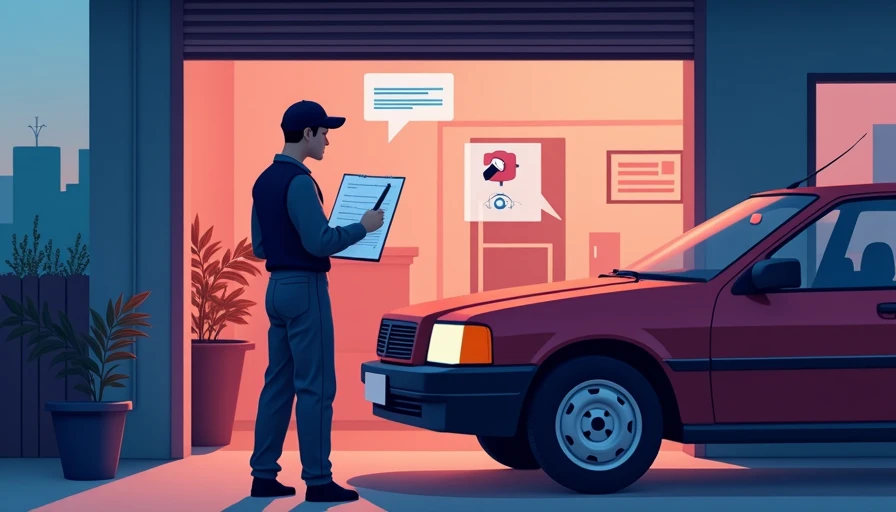
Pop the hood. Check the oil dipstick. If the oil is black and gritty, that engine has seen neglect. Transmission fluid should be bright red or pinkish—if it’s brown or smells burnt, walk away. Coolant shouldn’t look rusty or oily. Brake fluid should be clear to light amber. These checks take two minutes, but they can reveal whether the previous owner maintained the car or just traded it in before something broke. I’ve seen cars that looked spotless on the outside but had transmission fluid dark as coffee. That’s a $3,000 repair waiting to happen. Don’t trust a clean engine bay—fluids don’t lie.
3. Skipping the Undercarriage Check
Many buyers never get on the ground. But rust, leaks, and exhaust damage live underneath. If you see heavy rust on frame rails or suspension components, especially in northern cars, that’s structural weakness. A small oil leak might just be a gasket, but a diff or transmission leak adds up quick. Tap the exhaust with a key—if you hear rattling, the muffler is rotting from inside. Bring a flashlight and crawl around. I once found a cracked subframe on a car that drove perfectly. The seller didn’t mention it. That car was a safety risk. A thorough undercarriage look is one of the common used car inspection oversights that can save you from a dangerous buy.
4. Assuming the Check Engine Light Is "Minor"
When a seller says “it’s just a sensor,” your ears should perk up. Get an OBD-II scanner—they’re cheap and fit in your pocket. Pull the code yourself. A P0420 (catalytic converter efficiency) could mean a $1,500 repair. A misfire code might be spark plugs, but it could also be valve issues. I’ve seen dealers clear codes before a test drive, then the light comes back 20 miles later. If the light is on, don’t buy until you have a mechanic’s diagnosis. Ignoring a warning light is one of the most expensive common used car inspection oversights.
5. Forgetting the Test Drive Routine
A test drive isn’t just a loop around the block. Start the car when it’s stone-cold. Listen for rattles on startup that go away once oil pressure builds. Drive on the highway—get up to 65 and see if the steering vibrates. Find a parking lot and do tight circles; listen for clicking from the CV joints. Brake hard from 40 mph—feel for pulsation in the pedal. Accelerate hard uphill. A car that feels fine around town can hide transmission hesitation or wheel bearing noise. Don’t let excitement rush you. That 15-minute drive is your best chance to catch problems.
6. Not Checking Maintenance Records
Carfax history is a start, but receipts tell the real story. Ask the seller for service records. If they can’t provide any, assume the oil was changed irregularly. A car that had oil changes every 10,000 miles instead of every 5,000 is at higher risk for sludge and engine wear. Look for timing belt replacements if the car requires them—a broken timing belt on an interference engine means a new engine. Transmission fluid changes are another sign of a careful owner. I’d rather buy a car with 120,000 miles and full service records than one with 60,000 and no history. The records are proof of ownership reality.
Don’t shop the test drive. Shop the next three years. A few extra minutes checking these items can save you thousands in repairs and keep your ownership story boring—which, in the car world, means profitable.


