If you are shopping for a used car, you have probably spent hours comparing prices, reading reviews, and checking CarFax reports. But the number that matters most is often invisible on the lot: the used car hidden repair costs that show up after you sign the papers. I have watched too many buyers get hooked by a clean exterior and a low price tag, only to spend thousands in the first year on things the test drive never revealed. Let me show you what to look for before you commit.
The Real Price of That Low Sticker
A used car priced a few thousand dollars below market average is not always a steal. More often, it is a car the previous owner stopped maintaining. Tires with shallow tread, brakes that are almost metal-on-metal, and a battery that struggles in cold weather are common ways sellers keep the price low. Replacing all four tires alone can run $600 to $800. Add brake pads and rotors for another $400, and you are suddenly at $1,200 before you fix anything mechanical. That bargain purchase price disappears fast.
I once appraised a trade-in that looked spotless at thirty feet. Underneath, the oil had not been changed in twenty thousand miles, the transmission fluid was burnt, and the coolant was rust-colored. The seller knew these issues were coming. The buyer who picks that car up without a careful look is inheriting a bill that could easily top $2,500 within six months.
Common Sneaky Repairs: Transmission and Cooling System
The two systems that generate the biggest used car hidden repair costs are the transmission and the cooling system. A transmission that shifts a little rough or hesitates when cold might not feel like a dealbreaker on a ten-minute test drive. But transmission repairs typically start around $1,500 for a rebuild and can go up to $4,000 for a replacement. The cooling system is similarly quiet until it fails. A failing water pump, a clogged radiator, or a leaking heater core can each cost $500 to $1,200 to fix, and if the engine overheats, you could be looking at a blown head gasket—a $2,000 to $5,000 repair.
How do you spot these? Listen for whining noises from the transmission, look for pink or green staining under the car (coolant leaks), and check the temperature gauge during the test drive. If the needle moves past the midpoint, walk away.
Why a Pre-Purchase Inspection Is Worth It
A pre-purchase inspection by an independent mechanic is the single best tool for uncovering used car hidden repair costs before they become your problem. It typically costs $100 to $200, and it can save you thousands. A good mechanic will put the car on a lift, check for leaks, measure brake pad thickness, scan for stored trouble codes, and test the battery and charging system. They will also look at belts, hoses, and the condition of the suspension.
I always tell buyers to schedule the inspection before they negotiate. If the car needs $1,500 in immediate repairs, you can either ask the seller to knock that off the price or walk away clean. Without the inspection, you are guessing.
Budgeting for the First Year of Ownership
Even a well-maintained used car will need some attention in its first year. The used car hidden repair costs are not always catastrophic—they are often a series of smaller items that add up. Set aside at least $1,000 to $1,500 for immediate needs: an oil change, a new set of wiper blades, a cabin air filter, and maybe a battery. If the car is over 60,000 miles, plan for a transmission fluid flush and a coolant change unless you have paperwork showing they were done.
I keep a pocket notebook of cars people should have walked away from. One entry was a 2015 SUV that looked perfect but needed $3,200 in suspension work within three months. The buyer had no rainy-day fund, so the car sat in the driveway. Do not let that be you. Budget a repair cushion before you buy, and you will sleep better.
How to Use a Repair Estimate to Negotiate the Price
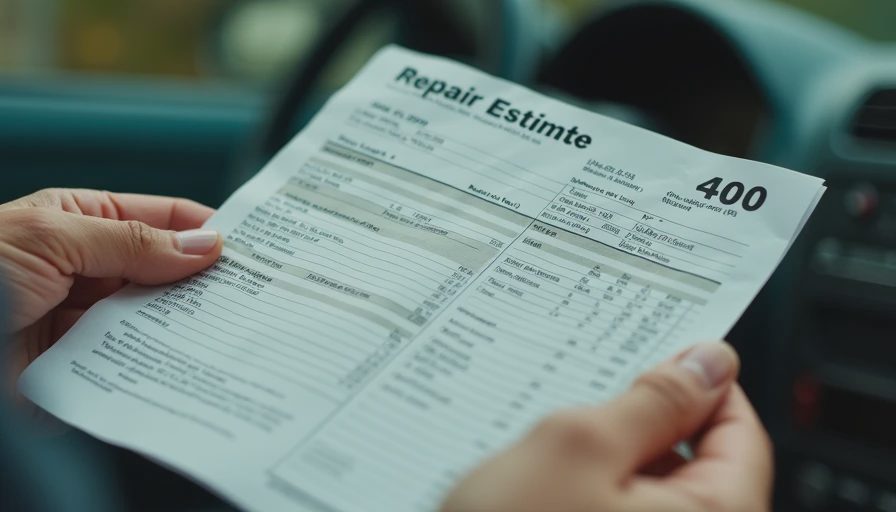
Once you have a pre-purchase inspection report listing specific used car hidden repair costs, you have real leverage. Do not just walk away from a car with issues. Instead, ask the seller to adjust the price by the cost of the needed repairs. For example, if the inspection shows the car needs $1,200 in work including new tires and a brake job, present the estimate and ask for at least that amount off the asking price. Many private sellers and even some dealerships will negotiate, especially if the car has been sitting on the lot.
If the seller refuses to budge, you can still decide to buy but with full knowledge of what is coming. That $1,200 in immediate repairs might be worth it if the car is otherwise in excellent shape and you have the cash set aside. The key is that you are in control. You are no longer guessing at the used car hidden repair costs. You have a documented list and a clear budget.
I once helped a friend negotiate $1,500 off a used sedan because the inspection found a failing water pump and worn suspension bushings. The seller dropped the price without much argument, and my friend used the savings to fix both issues immediately. That car ran reliably for years after. When you come prepared with facts, you turn a potential money pit into a fair deal.
The Takeaway: Shop the Next Three Years
Don't shop the test drive. Shop the next three years. Used car hidden repair costs are predictable if you know where to look. Get a pre-purchase inspection, budget for the first year, and walk away from any car that shows signs of deferred maintenance. A good deal and a good ownership story are not always the same thing, but with the right preparation, they can be.