I’ve seen it a hundred times. A family walks onto the lot, test-drives something huge, and drives off with a three-row SUV that costs them an extra $200 a month they never planned for. The biggest mistake I watch buyers make is failing to avoid overbuying family vehicles — and it’s not because they need the space. It’s because they let the test drive talk them into something bigger and more expensive than their actual life requires. I’ve worked trade-in lanes long enough to know that a three-year-old “good deal” often turns into a sour ownership story. The goal isn’t to impress the neighbors. It’s to keep your monthly budget intact and your family safe without drowning in payments.
The Trap of the Bigger SUV
Most families start shopping with a vague idea: “We need something safe and roomy.” That’s where the trouble starts. They test drive a Chevrolet Tahoe or a Ford Expedition, and suddenly the minivan they came to look at feels small and boring. The payments balloon, the fuel bill climbs, and three years later they’re trading it in for something smaller because the third row hasn’t been used since the first month. I’ve processed the trade-ins. I’ve seen the negative equity. That’s why the best way to avoid overbuying family vehicles is to walk into the dealership with a hard number: the maximum monthly payment you’re comfortable with, and the specific seating and cargo requirements you actually need. Not the ones you think you might need someday.
What “Family Vehicle” Actually Means
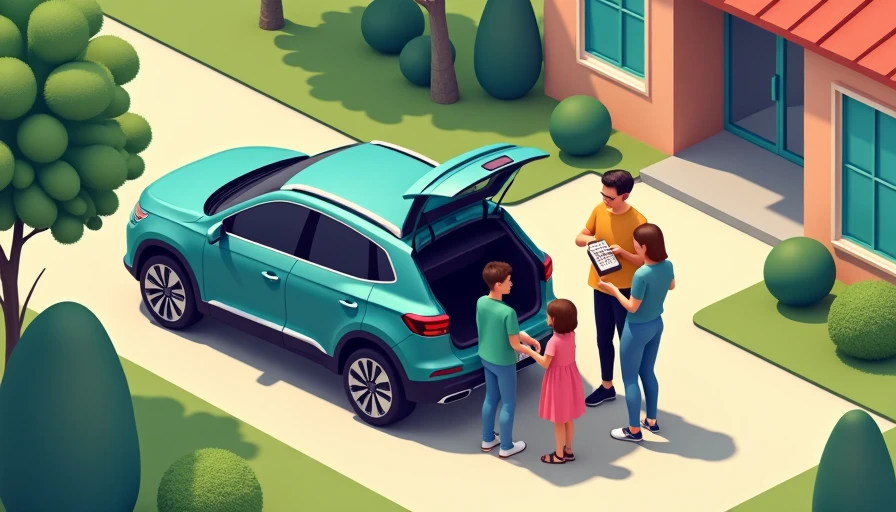
You have to be honest about your actual passenger load. How often do you carry more than four people? If it’s less than once a week, you do not need a minivan or a three-row SUV. A midsize sedan like the Honda Accord or a crossover like the Mazda CX-5 will do the job for a fraction of the cost. Overbuying means paying for capacity you almost never use. I once had a customer who traded a perfectly good Toyota Camry for a Chevrolet Suburban because they planned to host out-of-town relatives twice a year. The $400 monthly difference covered a lot of rental cars. To help avoid overbuying family vehicles, I always tell buyers to run the numbers on renting a bigger car for those rare occasions. It almost always saves money.
How to Match Your Real Needs
Make a list. Write down: number of car seats, frequency of road trips, towing needs, typical cargo (grocery runs, sports gear, etc.). Then go to a dealer and refuse to look at vehicles that exceed those specs. I tell people to bring a notebook (I carry one) and write down the monthly payment difference between the “nice to have” and the “need to have.” That difference often covers insurance and maintenance for a year. For example, a base Honda CR-V might cost $350 a month, while a fully loaded Toyota Highlander Hybrid runs $600. That $250 monthly gap is $3,000 a year. Over five years, that’s $15,000. That kind of savings is what makes it worth it to avoid overbuying family vehicles and stick with what fits your actual routine.

Three Models That Get It Right
- **Honda CR-V**: Enough space for a family of four, great fuel economy, reliable. It’s the sensible choice to avoid overbuying family vehicles. No third row, no premium trim that tempts you to spend more.
- **Toyota RAV4 Hybrid**: Practical AWD, low running costs, plenty of cargo room. The hybrid version saves you at the pump without sacrificing utility.
- **Subaru Outback**: Wagon space, decent ground clearance, no third row temptation. It handles family duty and weekend adventures without the SUV markup.
All three of these models let you avoid overbuying family vehicles because they deliver the essentials without unnecessary size or cost. They’re not flashy, but they’re profitable to own.
The Hidden Costs of Oversizing: Why Smaller Often Saves More
Even if you think you can afford a larger vehicle, the extra costs go beyond the monthly payment. A three-row SUV typically costs $200–$400 more per year in insurance alone compared to a midsize crossover. Tires are bigger and pricier — a set for a Ford Expedition can run $1,200, while a Honda CR-V set costs about $700. Fuel economy takes a hit: a full-size SUV averages 18–20 mpg, while a compact crossover gets 28–30 mpg. At 12,000 miles per year and $4 per gallon, that’s an extra $570 annually at the pump. Maintenance intervals are often shorter and parts cost more. Over five years, these hidden extras can add $3,000–$5,000 to your total cost of ownership.
Before you sign, run this quick checklist:
- Get an insurance quote for the specific model you’re considering.
- Research tire replacement costs and fuel economy ratings.
- Estimate annual maintenance costs using manufacturer schedules.
- Compare the total five-year cost against a smaller alternative.
This exercise will make it painfully clear why avoiding overbuying—even when you have the cash—is a smart financial move. Stick with a vehicle that meets your real needs, and your wallet will thank you every month.
Final Advice
Don’t shop the test drive. Shop the next three years. The excitement wears off, but the payment stays. If you can avoid overbuying family vehicles, you’ll have thousands left for things that actually matter — like college savings or a vacation. I keep a pocket notebook of “cars people should have walked away from,” and the biggest category is “more than we needed.” Don’t let your name end up in my notebook. Go in with a plan, stick to your real requirements, and drive away with a vehicle that fits your life — not your imagination.


