When you're shopping for a family vehicle, the focus is usually on safety, space, and monthly payment. But what happens three or four years down the road when it's time to sell or trade in? That's where **family used car value retention** comes into play. It's the difference between getting a decent check and taking a bath. And for most families, every dollar counts.
I've been around used cars long enough to know that a smart purchase doesn't end at the dealership lot. It follows you through years of ownership, and the choices you make early on determine how much of your money comes back to you later. Let's walk through what actually matters for keeping value in a family used car.
What Family Used Car Value Retention Actually Means
Value retention is simply how well a car holds its worth over time. For a family used car, this is influenced by factors like brand reputation, reliability, maintenance costs, and the overall demand for that model in the used market. Some vehicles drop like a rock; others plateau and stay there for years.
Take a Honda Odyssey or a Toyota Highlander. These are boring choices to some, but they're boring in a way that pays off. A well-maintained example can still fetch thousands after years of hauling kids and gear. That's strong **family used car value retention** in action. On the flip side, a luxury SUV or a niche model might seem exciting but can lose a third of its value the moment you drive off.
Why Some Used Cars Hold Value Better Than Others
Brand perception plays a huge role. Toyota, Honda, and Subaru have built reputations for longevity, so buyers still want them when they're older. Domestic brands like Ford and Chevrolet have strong trucks and SUVs, but their depreciation curves can be steeper on some models. The sweet spot for **family used car value retention** is often a mainstream Japanese minivan or crossover with a proven track record.
Another factor is the cost of ownership. If a car is expensive to insure or has known issues with transmissions or engines, that scares off future buyers. And if parts are hard to find, the value tanks. That's why I always tell families: look at the five-year reliability ratings before you even test drive.
How to Choose a Used Car That Won't Depreciate Fast
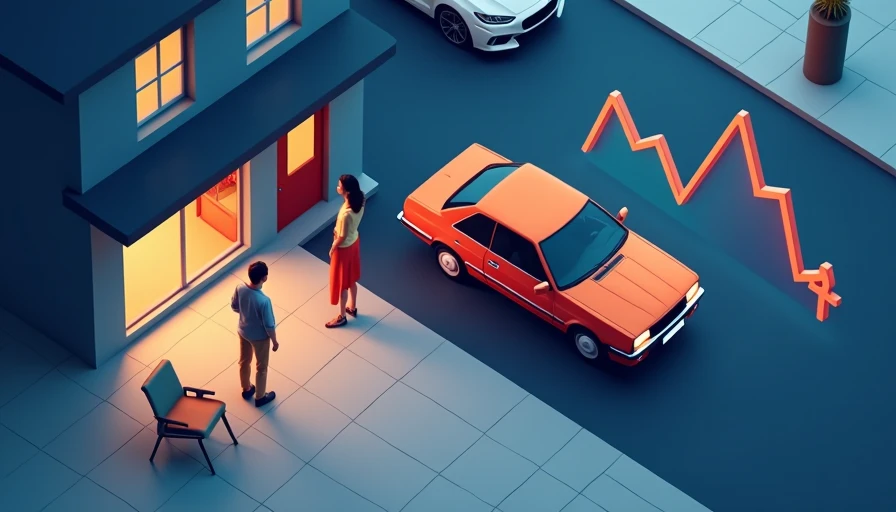
Start with research. Use sites like CarGurus or KBB to see how different models hold their value. Pay attention to the curve: some cars drop 20% in the first year, then level off. Others drop steadily. For a family used car, you want a model that has already taken its biggest hit—typically after 3-5 years old.
Next, consider trim levels and options. Leather seats and a sunroof add weight to the resale value, but they also raise the initial price. The best bet for **family used car value retention** is a mid-level trim with useful features like rear-seat entertainment or third-row air conditioning. Avoid flashy packages that don't add real-world utility.
Also, look for a car with a documented service history. A clean Carfax with regular oil changes and major services is gold. It tells the next owner this vehicle wasn't neglected. That peace of mind translates directly into dollars when you sell.
Steps to Preserve Value Once You Buy
Your job isn't done after the purchase. What you do with the car over the next few years will either protect or destroy its resale value. Here are the moves that matter:
- **Keep up with maintenance.** Stick to the manufacturer's schedule. Save receipts and log entries in a notebook. Future buyers love a paper trail.
- **Protect the interior.** Use floor mats, seat covers if kids are messy, and avoid eating in the car. A stained or torn interior is a huge red flag.
- **Park in the garage or shade.** Sun damage fades paint and cracks dashboards. A car that looks old quickly loses value.
- **Fix small issues early.** A check engine light or a cracked taillight left unattended signals neglect. Fix them before they become bigger problems.
These steps don't cost much, but they compound over time. A clean, well-maintained family used car can command a premium of 10-15% over a similar one that looks worn.
When It's Time to Sell: Getting the Best Price
Even with great **family used car value retention**, you need to sell smart. Don't just accept the first dealer trade-in offer. Get quotes from CarMax, Carvana, and local dealerships. Private sale often nets the most, but it takes effort. Clean the car thoroughly, take good photos, and write an honest description.
Timing matters too. Spring and summer are strong selling seasons for family vehicles because people are planning road trips. If you can hold out until then, you might get an extra thousand dollars.
And don't forget to keep those maintenance records handy. When a buyer sees that you've taken care of the car, they're more willing to pay your asking price.
The Bottom Line on Family Used Car Value Retention
Maximizing **family used car value retention** isn't about chasing the perfect deal. It's about making smart choices at the start and staying disciplined through ownership. Pick a reliable, mainstream model with a strong resale history. Keep it clean and well-maintained. And when it's time to part ways, be patient and sell strategically.
Don't shop the test drive. Shop the next three years. That's where the real money lives.
---
*Daniel Mercer writes about car ownership from the perspective of someone who has seen too many expensive mistakes. He lives in Cincinnati with his wife and daughter.*


