I’ve heard it countless times from customers in the service drive: “I bought this because it’s supposed to be reliable.” Six months later they’re staring at a $1,200 repair bill wondering what went wrong. Reliability and cheap-to-keep are not the same thing.
I’m Daniel Mercer, 41, writing from just outside Cincinnati. After appraising hundreds of trade-ins at CarMax and handling service complaints as a writer, I learned that some of the most “reliable” brands and models still find creative ways to cost owners serious money over time. This post is about understanding that gap so you don’t get surprised.
Don’t shop the test drive. Shop the next three years.
The Reliability Myth That Costs You Money
Reliability usually means the car doesn’t leave you stranded often. That’s great. But cheap to keep means low total cost of ownership: fuel, insurance, tires, brakes, maintenance, repairs, and even registration fees. A car can be very reliable and still expensive to live with.
I saw plenty of Toyotas and Hondas that almost never broke down — yet some versions still cost owners more than expected because of expensive parts or poor real-world efficiency. On the flip side, certain vehicles with average reliability records turned out cheaper long-term because parts were dirt cheap and easy to work on.
Key Differences I Learned in the Real World
1. Parts Cost and Availability
A German luxury car might be reliable if you stay on top of maintenance, but when something breaks, the parts can cost three times what a domestic or Japanese equivalent does. I watched owners trade in “bulletproof” European vehicles because one sensor failure cost more than they wanted to spend.
2. Real-World Fuel Economy
Many “reliable” SUVs and trucks sip fuel nicely on the highway in ideal conditions but drink heavily in Midwest stop-and-go traffic with a full family load. That adds up fast at current gas prices.
3. Tire and Brake Wear
Heavier vehicles and those with powerful engines chew through tires and brakes faster. A reliable performance-oriented car can easily cost $200–300 more per year just in rubber and pads compared to a lighter, calmer sedan.
4. Insurance and Registration Reality
Some reliable models carry higher insurance premiums because of repair costs or theft rates. In Ohio, certain popular reliable SUVs also hit you with higher registration fees because of their weight class.
5. Maintenance Interval Reality
Some brands space out services nicely but the services themselves are expensive. Others need more frequent but cheaper attention. Over five years, the “more frequent but cheap” option often wins on total cost.
Examples From the Service Lane
I remember a guy who owned a well-known reliable Japanese SUV. Never stranded, great resale value. But after three years he was tired of $1,100 brake jobs every 25k miles, premium fuel requirements, and insurance that was noticeably higher than his previous midsize sedan. He traded it for something less “reliable” on paper but far cheaper month-to-month.
Another common story: older domestic trucks and vans. They might need more frequent repairs than a Toyota, but when they do need work, the parts are abundant and cheap. Many working families kept these running happily for 200k+ miles without breaking the bank.
The sweet spot? Vehicles that combine decent reliability with low parts costs and reasonable efficiency. Think certain Camrys, Accords, Civics, and some American crossovers that use widely available components.
How to Judge Cheap-to-Keep Potential Before Buying
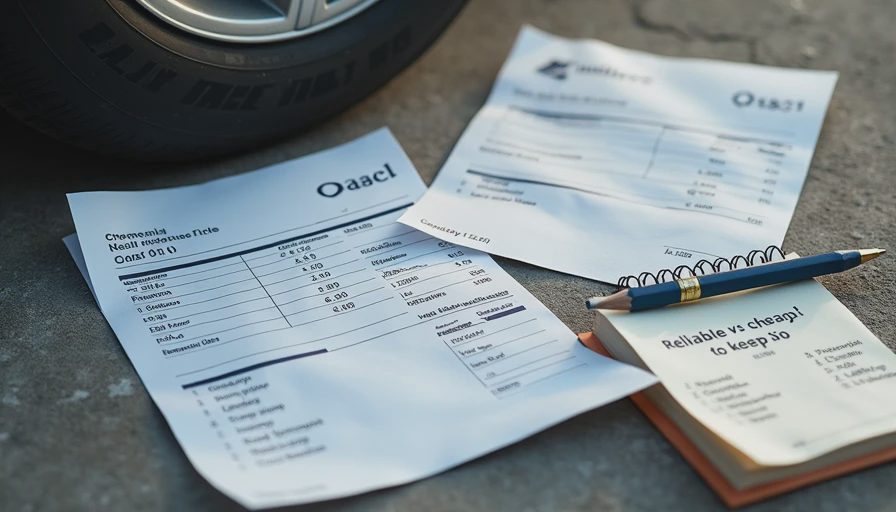
Here’s the practical checklist I use when looking at ownership costs:
Look up common repair costs for that specific year and engine on owner forums.
Compare tire prices — search the exact size needed. Big difference between $120 tires and $280 tires.
Check insurance quotes before you fall in love.
Calculate fuel costs using your actual driving (use a tool with your commute and family load in mind).
Research parts availability — how easy and expensive are things like alternators, AC compressors, or suspension components?
Factor in local conditions — rust in the salt belt, A/C stress in summer, winter tire needs, etc.
The Boring But Profitable Choices
In my own life with Erin and Lucy, we’ve learned to favor vehicles that don’t demand constant attention or expensive visits. There’s real peace in knowing your car will start on a cold Ohio morning without drama and won’t surprise you with a four-figure repair every year.
We’ve seen friends chase “reliable” luxury or high-feature vehicles only to spend weekends at the dealer instead of fishing or attending Bengals tailgates. The boring answer really is often the profitable one.
What Cheap to Keep Actually Looks Like
Predictable maintenance schedule
Affordable parts available at multiple shops
Good real-world MPG for your driving style
Lower insurance and registration
Minimal surprise repairs after warranty
A car that scores well on these usually leaves more money in your pocket for house payments, vacations, or college savings — things that matter more than having the shiniest badge in the school pickup line.
Final Ownership Ledger Wisdom
Reliability is table stakes. It gets you in the game. Cheap to keep is what lets you stay in the game comfortably for years without financial stress.
Before your next purchase, ask not just “Will this car break down?” but “How much will living with this car actually cost me over the next three to five years?”
Look past the marketing claims and reliability scores. Dig into the real ownership numbers. Your future self will thank you every time you fill the tank, rotate the tires, or open the mail with the insurance bill.
The cars that are both reliable and cheap to keep exist. They’re usually not the ones that get the most attention — but they’re the ones that quietly serve families well for the long haul.


