
I spent years as a service writer listening to owners, reviewing repair histories, and writing up work orders. After hundreds of these interactions, I realized something powerful: within the first ten minutes, I could usually predict with scary accuracy how happy (or frustrated) someone would be with their car over the next few years.
I’m Daniel Mercer, 41, Cincinnati suburbs. Between my time appraising trade-ins at CarMax and working directly in the service lane, I’ve seen the full cycle of excitement, denial, and eventual acceptance. This post pulls back the curtain on what service writers notice that most buyers miss.
Don’t shop the test drive. Shop the next three years.
The Ten-Minute Prediction Game
When a customer walked up to my counter, I wasn’t just looking at the car. I was reading the owner, the history, and the patterns. Here’s what stood out:
The Records Tell the Real Story
Clean, consistent maintenance every 5-7k miles? That owner was likely to have a smooth ride ahead. Big gaps, skipped services, or only quick-lube shop stamps? I could almost guarantee bigger repair bills coming soon.
One regular customer brought in a popular SUV with spotty records. In ten minutes I knew they’d be back within six months for something expensive. Sure enough, they returned for a transmission issue that could have been delayed with better care.
How You Talk About the Car
The way owners described their vehicle said everything.
“It’s been a great car, but…” usually meant they were already halfway out the door emotionally.
Owners who knew basic details about recent services tended to stay loyal and proactive.
The ones who said “I don’t know, it just started making that noise” were often in for repeated frustration.
The Attitude Toward Maintenance
Some people viewed maintenance as an investment. Others saw it as an annoying expense to avoid. That single mindset difference predicted ownership happiness better than any reliability report.
Common Owner Types I Could Spot Quickly
The Optimist
Bought the car because “it felt right.” Ignored early warning signs. Came in surprised when something broke. Their ownership experience was usually a rollercoaster of surprise bills and eventual regret.
The Checklist Person
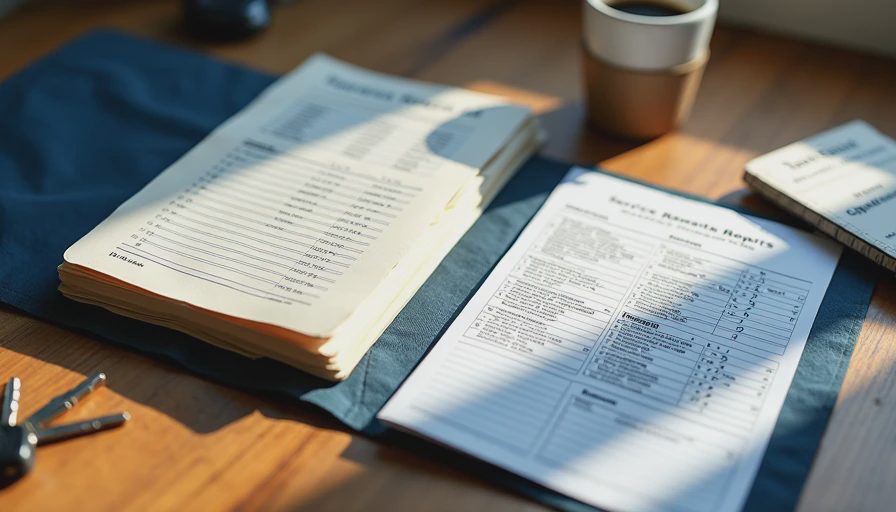
Brought printed records, knew their oil change history, and asked good questions. These owners almost always had smoother, cheaper long-term experiences. They caught small issues early.
The Image Buyer
Drove a vehicle that looked impressive but didn’t match their actual needs or budget for upkeep. I could predict they’d trade early once the shine wore off and the costs hit.
The Budget Realist
Drove something sensible, accepted trade-offs, and maintained it within their means. These were the happiest long-term owners I saw.
What I Could Predict With High Confidence
In that first conversation I could often forecast:
Whether they’d face major repairs in the next 12-18 months
How likely they were to keep the car long-term
Their general stress level with the vehicle
Whether they’d be back complaining or coming in calmly for routine service
I remember one young family with a three-year-old crossover. In ten minutes — based on their questions, the car’s history, and how they described their driving — I predicted they’d be happy for another 4-5 years if they stayed on top of maintenance. They did, and they were.
Another case: a guy with a luxury sedan who dismissed my maintenance suggestions. I knew he’d be trading it in within a year. He was back in eight months frustrated and ready to move on.
Lessons for Every Used Car Buyer
If you want better ownership, think like the service writer sees you:
Build and keep detailed records. Digital or paper — doesn’t matter. Consistency wins.
Ask proactive questions at purchase. What common issues does this model have after 60k? What’s the real maintenance rhythm?
Budget for maintenance like it’s part of the payment. Treat it as non-negotiable.
Be honest about your driving and habits. Match the car to reality, not hope.
Listen to early warning signs. Small noises or changes ignored become big problems.
My Own Driveway Perspective
With Erin and Lucy, we try to be the owners that service writers respect. We keep records. We don’t skip services. We accept that a car is an ongoing relationship, not a set-it-and-forget-it purchase. This approach has saved us money and reduced stress more times than I can count.
Weekends are better spent fishing or organizing the garage than sitting in a waiting room wondering how much the repair will cost.
The boring answer is often the profitable one.
What Service Writers Wish You Knew
We’re not trying to sell you more repairs. Most of us genuinely want to help you keep your car running well. The owners who work with us instead of against us almost always have better experiences.
If you’re shopping for a used car right now, imagine bringing it to a service writer like me in ten minutes. What story would your car and your habits tell? Would I predict smooth sailing or coming storms?
Pay attention to the small signals now. They become loud realities later. A little diligence at the beginning pays off for years.
The best ownership stories I saw weren’t always with the newest or fanciest cars. They were with normal vehicles cared for by thoughtful owners who understood that the real test begins after the papers are signed.


