If you're shopping for a used car, one big question always comes up: how much to inspect car problems before pulling the trigger? It's a smart question, and the answer might surprise you. Most independent mechanics charge between $100 and $200 for a thorough pre-purchase inspection. That's a small price compared to the thousand-dollar surprises that can pop up after a bad buy.
Why Bother with a Pre-Purchase Inspection?
A pre-purchase inspection isn't just for nervous first-timers. Even experienced buyers miss hidden issues during a test drive. A mechanic can spot worn belts, leaking seals, failing transmissions, and electrical gremlins that you'd never catch on a 15-minute loop. I've watched people lose thousands because they trusted a clean interior and a quiet idle. The inspection is insurance against regret.
Think about it: a $150 inspection might reveal a timing chain issue that would cost $2,000 to fix. That knowledge alone can save you from a bad deal or give you leverage to negotiate a fair price. Most sellers expect you to have the car checked—if they resist, that's a red flag.

How Much to Inspect Car Problems: Breaking Down the Cost
So, how much to inspect car problems in practice? It varies by location and shop, but here's a realistic range:
- **General mechanic inspection:** $100–$150. Includes basic systems check (engine, transmission, brakes, suspension).
- **Specialist inspection (European or luxury brands):** $150–$200 plus. Shops with diagnostic tools for BMW, Audi, or Mercedes often charge more.
- **Dealer inspection:** $150–$250. Usually more thorough but sometimes biased toward selling you a car on their lot.
- **Mobile mechanic inspection:** $100–$200. Convenient if you're buying from a private seller and can't get the car to a shop.
Keep in mind that these figures are for a standard inspection. If the mechanic needs to perform a compression test, scan for stored codes, or check the A/C system, you might pay an extra $50–$100. Still, even at $300 total, it's a bargain compared to a blown engine.
What You Actually Get for Your Money
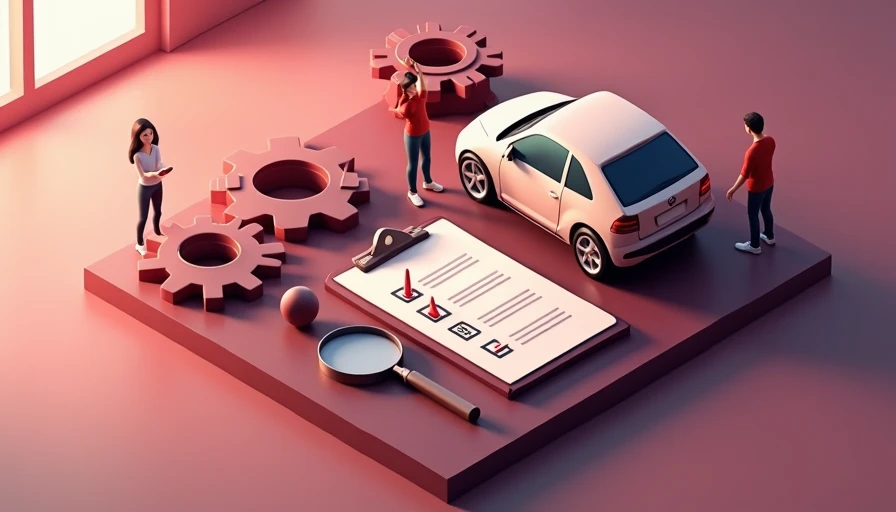
A good inspection covers more than just a quick look under the hood. Expect the mechanic to:
- Test drive the car to feel for transmission hesitation, vibration, or brake pulsing.
- Lift the vehicle to inspect the undercarriage for rust, leaks, or damage.
- Check fluid condition and levels (oil, coolant, brake fluid, transmission fluid).
- Evaluate tire tread depth and condition.
- Inspect belts, hoses, and battery health.
- Scan the OBD-II system for trouble codes, including pending codes that haven't triggered a check engine light yet.
A thorough inspector will also look at the car's maintenance history if available. You should receive a written report with photos of problem areas. That documentation can be your strongest negotiation tool.
The Real Cost of Skipping the Inspection
I've seen buyers skip the inspection to save $150 and end up with a $3,000 repair bill within two months. One guy bought a minivan with a smooth test drive, but a month later the transmission started slipping. Turned out the fluid was burnt and the mechanic who finally looked at it said the damage was already done. The seller was long gone.
Another common scenario: a car with a clean Carfax but a hidden oil leak from the rear main seal. That repair alone can cost $1,200–$1,800 because the transmission has to be dropped. A $150 inspection would have caught it immediately.
When you ask yourself how much to inspect car problems, remember that the worst-case scenario of skipping it is far more expensive than the inspection itself. Don't let a small upfront cost lead to a big ownership headache.
How to Get the Best Value from an Inspection
To make your money count, follow these tips:
- **Find a mechanic you trust.** Ask local car clubs or friends for recommendations. Avoid chain shops that might push unnecessary repairs.
- **Go with the seller.** If possible, bring the car to the shop yourself. Some sellers will allow it; if they refuse, walk away.
- **Ask for a detailed checklist.** A good inspector will provide a list of what they checked and what they found. If they just give a thumbs-up, you're not getting your money's worth.
- **Don't skip a specialist.** For luxury or high-performance cars, pay extra for a mechanic who knows that brand. They can spot model-specific issues.
Final Thoughts
The question of how much to inspect car problems comes down to a simple trade-off: a couple hundred dollars now versus thousands later. I've been on both sides—selling cars and writing up repair estimates—and I can't remember a single buyer who regretted the inspection. But I've lost count of the ones who wished they'd done it.
Don't shop the test drive. Shop the next three years. An inspection is the best tool you have to make sure the car you're buying fits your life and your wallet. Spend the money, get the peace of mind, and drive away knowing you made a smart call.


