
Let me tell you about a guy I used to work with at CarMax. He was dead set on a premium trim Honda Accord Touring because he wanted the leather seats and the upgraded stereo. He stretched his budget by a few thousand dollars, signed the papers, and drove off happy. Eighteen months later, he was complaining about the cost of replacing a motorized seat adjuster and the premium fuel his turbo engine technically didn't require but ran smoother on. That's the difference between basic vs premium trim for daily drivers — one decision looks good in the driveway, the other looks good on the ledger sheet.
When you're buying a car for daily commuting, school drop-offs, and weekend errands, the trim level matters more than most people realize. The base model might feel a little plain, but the premium trim can come with hidden costs that eat into your monthly budget. Let's walk through the real differences and figure out which one actually fits your life.
The Upfront Price Gap Isn't the Whole Story
The most obvious difference between a base trim and a premium trim is the sticker price. On a typical midsize sedan, jumping from the base to the top trim can add anywhere from $4,000 to $10,000. For a compact SUV, the spread is similar — think $3,000 to $8,000. But that's just the starting point. A premium trim often comes with standard equipment that costs more to repair, insure, and maintain down the road.
Consider a Honda CR-V. The base LX starts around $30,000, while the top Touring can push past $38,000. That extra $8,000 doesn't just sit on the loan balance — it increases your sales tax, your registration fees, and your monthly payment with interest. Over a five-year loan at 6%, that difference adds roughly $155 per month in payment, plus higher insurance premiums because the Touring is worth more and has more expensive parts to replace.
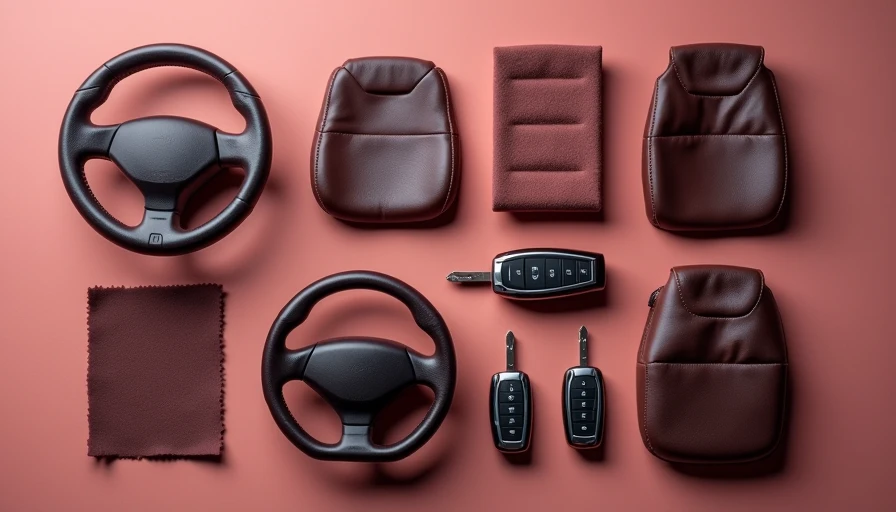
What You Actually Gain (and Lose) with a Premium Trim
Premium trims usually throw in leather upholstery, larger wheels, a sunroof, heated seats, a premium sound system, and maybe a more powerful engine. Some of these features genuinely improve daily life if you spend a lot of time in your car. Heated seats in a cold climate, for example, can make a real difference. But many of these upgrades come with downsides that only show up after a year or two of ownership.
- **Leather seats** look nice but can crack and stain faster than cloth unless you condition them regularly. Replacing a leather seat cover out of warranty costs $400–$800 per seat.
- **Larger wheels** with low-profile tires ride harsher and get flat-spotted more easily on potholes. A single tire replacement can run $200–$350 versus $120 for a standard tire.
- **Sunroofs** are notorious for leaking or getting stuck. Track repairs average $300–$600, and a total replacement can go over $1,500.
- **Digital instrument clusters** cost $900–$1,500 to replace if they glitch, while analog gauges cost a fraction of that and last decades.
- **Premium audio systems** often have proprietary amplifiers or subwoofers that fail around the 8–10 year mark. A replacement amp from a brand like Bose or Harmon Kardon can be $500–$1,200.
The bottom line: many premium trim features are expensive to repair out of warranty. If you plan to keep your daily driver past year five — and I hope you do — those costs can add up fast.
Insurance Costs: Premium Trims Cost More to Cover
Insurance companies base premiums partly on the vehicle's value and repair cost. A premium trim with a higher MSRP, more expensive parts, and more complex technology will generally cost more to insure. For a basic vs premium trim for daily drivers comparison, the difference can be $100–$300 per year. It doesn't sound like a lot, but over five years that's $500–$1,500 you could have saved.
Take a Toyota Camry LE (base) versus the Camry XSE (premium). The LE has 16-inch steel wheels, cloth seats, and a standard stereo. The XSE has 19-inch alloys, leather-trimmed seats, and a JBL premium audio system. The insurance for the XSE can be 10–15% higher because replacing those parts costs more. Combine that with a higher loan balance, and you're looking at a real monthly cost gap.
Depreciation Hits Premium Trims Harder
Here's a truth few salespeople will tell you: premium trims depreciate faster in percentage terms than base trims. A base model holds its value better because it appeals to a wider range of used buyers — people who want a reliable, affordable car without luxury features that might break. After five years, a base trim might retain 50–55% of its original value, while a premium trim might only hold 45–50%. That translates to thousands of dollars more lost depreciation.
Check any used car listing site. A 5-year-old Honda CR-V LX with 60,000 miles is listed around $22,000. The same year Touring with similar miles lists around $25,000. The Touring started $8,000 higher, now it's only $3,000 more. That's a $5,000 extra hit in depreciation. The base trim buyer lost less money overall.

When the Premium Trim Actually Makes Sense
I'm not saying you should never buy a premium trim. There are situations where stepping up makes sense. If you live in a place with harsh winters, heated seats and a remote starter (often standard on mid-level trims) can be worth the upgrade. If you have a long commute and spend two hours in traffic daily, better sound insulation and a premium audio system might improve your quality of life enough to justify the cost. And if you're buying a car you plan to keep for 10+ years, the higher repair costs spread out over a longer period matter less.
But for most daily drivers, the sweet spot is one step above the base trim — not the top. A mid-level trim gives you the key features without the overpriced extras that cost you later. For example, a Honda Civic Sport (mid-trim) adds alloy wheels, upgraded seats, and a better infotainment system without the massive wheels or leather that drive up repair costs. It's a smarter balance.
Practical Advice for Your Next Purchase
Before you sign for a premium trim, ask yourself these questions:
- Am I buying this for me or to impress the neighbors?
- Can I afford the insurance jump?
- Do I plan to keep the car past the warranty? If yes, are the premium features known to be reliable? (Research owner forums.)
- Would an aftermarket upgrade (like better speakers or remote start installed by a shop) give me 80% of the benefit for 20% of the cost?
Most of the time, the boring answer is the profitable one. A basic or mid-level trim will serve you well, cost less to own, and leave you with more money for the things that actually matter — like maintenance, savings, or a weekend fishing trip with the family.
Final Verdict: Basic vs Premium Trim for Daily Drivers
If you're still debating basic vs premium trim for daily drivers, lean toward the simpler option. The added comfort of leather and a sunroof fades after the first month; the higher monthly payment and repair bills are real for years. Don't shop the test drive. Shop the next three years — or better yet, the next five or ten. A base Civic with cloth seats and a good driver is a better ownership story than a premium Accord that leaves you regretting the payment.
Trust me. I've watched too many people pay for avoidable car decisions. The base trim isn't boring. It's smart.


