I can’t tell you how many times a sharp-looking used SUV rolled into the appraisal lane at CarMax looking like a winner, only for the story under the hood — and in the service records — to say something completely different. Today I’m pulling back the curtain on how to separate the SUVs worth owning from the ones that are simply easy to sell to the next optimistic buyer.
I’m Daniel Mercer, 41, still out here in the Cincinnati suburbs watching real families make real car decisions with real budgets. After years appraising trade-ins and handling service complaints, I’ve developed a pretty good nose for when an SUV is actually solid long-term ownership material versus one that’s just been polished up to move.
The SUV Trap Most Families Fall Into
Americans love SUVs. They sit high, feel safe, and swallow soccer gear, groceries, and the occasional lumber run. But that love often blinds people to the ownership reality hiding behind the tall ride height and spacious cargo area.
The harsh truth? Many used SUVs on the market today are “easy to sell” because previous owners got tired of the repair bills, poor fuel economy, or the way the vehicle slowly became annoying in daily life. They detail it, take nice photos, and pass the problem along.
Don’t shop the test drive. Shop the next three years.
Red Flags That Scream “Easy to Sell, Hard to Own”
Here are the patterns I saw repeatedly:
1. Fresh Detail Job Hiding Years of Neglect
If the engine bay looks showroom-clean but the service records show missed intervals, walk away. Real owners who maintain their vehicles don’t usually need a $400 detail package right before selling. That mirror shine is often lipstick on a pig.
2. “One Owner” With Sketchy Records
One owner sounds great until you realize it was a lease vehicle turned in with minimum maintenance. Look for consistent oil change stamps from the same shop. Big gaps or random quick-lube places are warning lights.
3. Popular Models With Known Expensive Weaknesses
Some SUVs develop reputations. Certain years of popular three-row models love eating transmissions or having suspension components fail right after warranty ends. I’m not naming names here (we’ll do deep dives later), but always research the specific year and engine before falling in love.
4. Too Many Previous Owners in Short Time
Three owners in four years? That’s rarely because everyone got a big promotion and wanted something newer. More often it means the vehicle developed issues that frustrated normal families.
5. Aftermarket Add-ons Covering Problems
Lift kits, oversized tires, or heavy tint can hide frame rust, worn suspension, or interior damage. In Ohio, I especially watch for underbody coatings that were applied to cover existing rust.
Green Flags That Suggest Real Ownership Value
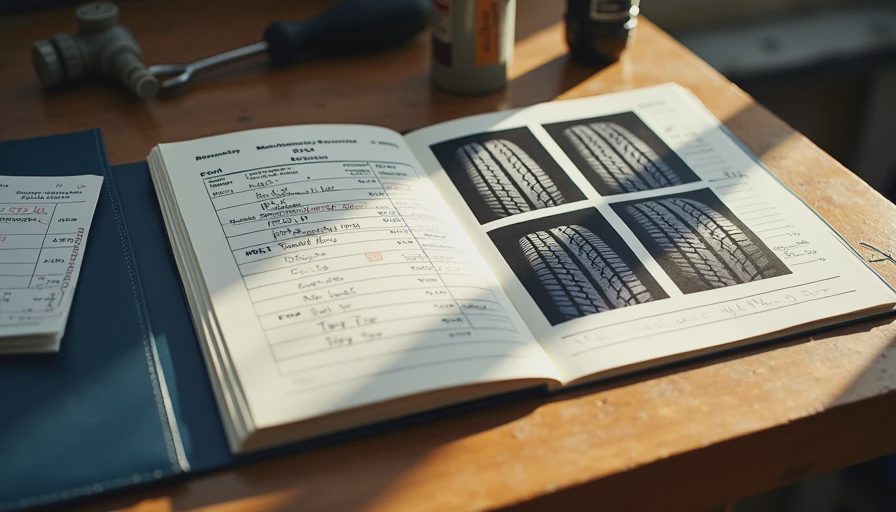
These are the signals that make me think “this one might actually be worth keeping”:
Maintenance Records That Look Boring Regular oil changes every 5-7k miles. Brake jobs at normal intervals. No major surprises. Boring is beautiful.
Tires That Match the Mileage If the SUV has 65,000 miles and the tires still have 70% tread with the original brand, someone cared. Mismatched cheap tires at high miles usually mean corners were cut.
Interior That Shows Honest Wear, Not Abuse Some driver’s seat wear is normal. Torn leather, broken plastics, or heavy stains in the second row? That’s a vehicle that lived hard.
No Major Recalls Ignored Check if the seller addressed known issues like airbag recalls, transmission software updates, or timing chain problems.
What I Look For in the Test Drive (The Smart Way)
Bring your family. Load the actual car seats, sports bags, and weekly grocery volume. Drive your real route — including the potholed section near your house and the highway on-ramp you use every day.
Sit in the back seat as a passenger. Can your kids actually see out? Is the middle seat comfortable for a third child or carpool? Check headroom with the seats in normal positions.
Pay attention to how the vehicle feels after 20 minutes, not just the first smooth mile. Does the ride get tiring? Is road noise intrusive? Does the A/C struggle when it’s 90 degrees with four people inside?
Real Ownership Costs Most Buyers Ignore
This is where many “great deals” turn expensive:
Fuel economy in real family use is often 3-5 mpg worse than advertised.
Tires for larger SUVs cost significantly more to replace.
Insurance is usually higher than a comparable sedan.
Brake jobs and suspension work add up quickly on heavier vehicles.
I once watched a family trade in a three-year-old midsize SUV because the combination of premium fuel, frequent tire replacements, and a $2,800 repair bill broke their budget. They bought it thinking “we need the space.” Turns out they mostly needed better organization and a wagon.
Questions to Ask the Seller (And Yourself)
Why are you selling it now?
What’s the biggest thing that’s annoyed you about this SUV?
Have any major repairs been done?
Would you buy it again knowing what you know now?
And most importantly, ask yourself: Does this SUV solve my actual family problems, or am I buying it because it feels more “capable” than I really need?
My Personal Rule for SUV Shopping
If it feels exciting on the lot but I can’t clearly explain why it beats a solid minivan or wagon for our specific life, I keep looking. The right vehicle for a busy family is usually the boringer one.
Erin and I made this mistake early in our marriage with a bigger vehicle than we needed. We paid for it in fuel, parking stress, and higher insurance. Learned our lesson. Now we match the vehicle to our real driveway reality.
Final Advice Before You Buy
Take pictures of the underbody, engine bay, and all four tires. Get a pre-purchase inspection from an independent mechanic you trust — not the selling dealer. Spend the $150. It’s the cheapest insurance you’ll ever buy.
A used SUV can be an outstanding long-term companion when chosen carefully. It can also become an expensive lesson in how tall ride height doesn’t equal reliability or low ownership stress.
Shop with your eyes open. Look past the fresh vacuum lines and Armor All shine. Look for the quiet signs of a vehicle that was actually cared for by someone who lived with it, not just drove it on weekends.
Your next three years of school runs, road trips, and unexpected repair bills will thank you.


