
If you're buying a used car, you've probably heard the advice to get a pre-purchase inspection. But what problems does a car inspection take—meaning, what exactly does it catch? A thorough inspection can save you thousands by uncovering hidden issues that a test drive won't reveal. Let's walk through the most common problems an inspection typically uncovers, from the obvious to the sneaky.
Common Mechanical Issues a Car Inspection Reveals
A good mechanic will start with the engine, transmission, and drivetrain. These are the big-ticket items. For example, they'll check for oil leaks, coolant condition, and unusual noises. Transmission issues often show up as slipping or delayed engagement. A worn clutch on a manual car can cost $1,500–$2,500 to replace. They'll also look at the drive belts, hoses, and spark plugs. If the engine has a timing chain noise or a check engine light, that's an immediate red flag. A simple code read can point to an oxygen sensor (cheap fix) or a failing catalytic converter (expensive, often $1,000+). The mechanic will also test compression and do a leak-down test on older engines. These tests tell you if the engine is healthy or about to cost you big money.
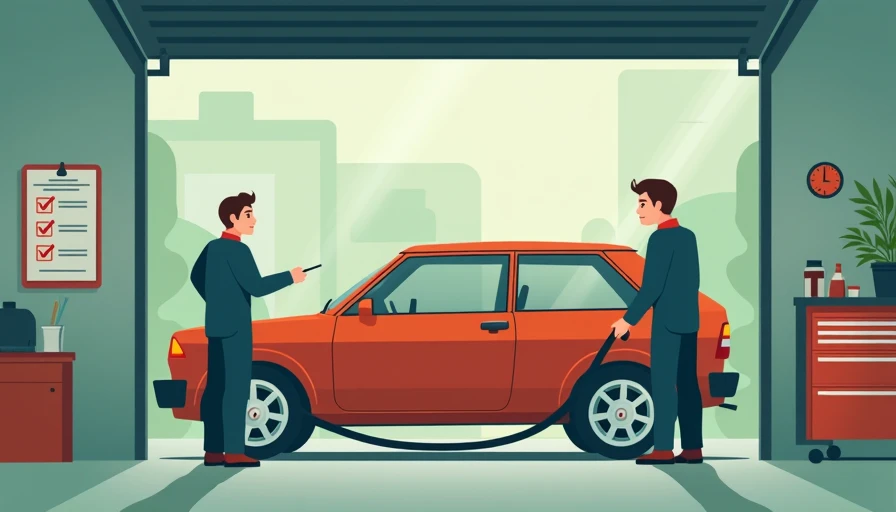
Suspension and steering components are another big area. Worn ball joints, tie rods, and bushings can cause wandering on the highway or clunking over bumps. Replacing a full set of shocks or struts runs $800–$1,500 on many sedans. Brakes are checked too—rotors, pads, and fluid condition. A car that needs a full brake job (pads, rotors, and calipers) might set you back $600–$1,000 per axle.
Electrical and Electronic Problems
Modern cars are packed with electronics, and inspections cover a lot of that. The battery, alternator, and starter are basic checks. But a good inspection goes further: they'll test the charging system voltage, look for parasitic draws that drain the battery overnight, and check that all accessories (windows, locks, radio, HVAC) work correctly. Today's cars also have modules like the ABS control unit, ECM, and BCM. If there's an intermittent electrical problem, it can be a nightmare to diagnose and expensive to fix. A faulty ABS module often costs $500–$1,000 to replace. The mechanic might also run a scan for any stored trouble codes that don't yet turn on the check engine light.
Don't overlook the infotainment screen. A cracked or unresponsive screen can be $800–$1,500 to replace on some brands. They'll also test the backup camera, if equipped, and ensure all sensors (like blind-spot monitoring) are working.
Structural and Rust Concerns
Rust is a problem that only gets worse. The inspection will look underneath the car for rust on the frame, subframes, control arms, and exhaust system. Surface rust isn't a dealbreaker, but perforating rust in the frame or suspension mounting points is dangerous and costly to repair. In the rust belt, a car that looks clean on top can have a rotted-out frame underneath. A repair like frame welding can cost $2,000–$4,000, and often it's not worth it. The mechanic will also check for accident damage by looking for mismatched paint, body panel gaps, and signs of prior repairs like fresh welds or bondo. A Carfax report helps, but it only covers reported accidents. An inspection can find hidden repair work.
What to Do When an Inspection Finds a Problem
So what problems does a car inspection take off the table? If the inspection reveals major issues, you have options. First, ask the seller to fix the problem or lower the price by the estimated repair cost. Second, walk away if the repairs exceed a reasonable amount relative to the car's value. For instance, if a $12,000 car needs $3,000 in immediate repairs, you're better off looking for something else. Third, if it's a minor issue like worn tires or a small oil leak, factor that into your negotiation but don't panic. A good rule: if the repair cost is more than 10% of the purchase price, think hard before moving forward.
How Much Do These Repairs Typically Cost?
Here's a quick breakdown of common repair costs for problems an inspection finds:
- **Engine replacement**: $4,000–$7,000 (can exceed $10,000 on luxury cars)
- **Transmission replacement**: $3,000–$5,000
- **Timing belt/chain service**: $800–$1,500
- **Struts/shocks (full set)**: $800–$1,500
- **Brake job (pads + rotors, one axle)**: $300–$600
- **Catalytic converter replacement**: $1,000–$2,500
- **Rust repair (frame section)**: $2,000–$4,000
- **Electrical diagnostic and repair**: $150–$1,000+ depending on the issue
These numbers vary by car make, model, and location, but they give you a ballpark to work with. Knowing what problems does a car inspection take into account helps you budget for the long term. Don't shop the test drive; shop the next three years.
Common Questions About Car Inspection Problems
**Q: Can a car inspection find hidden flood damage?**
A: Yes, a thorough inspection checks for signs of water intrusion—mud in carpet seams, rust in unusual places (like under dashboards), musty odors, and corroded connectors. Flood damage can cause long-term electrical gremlins, so if you suspect it, don't skip the inspection.
**Q: Does a car inspection cover the air conditioning system?**
A: Usually yes. The mechanic will check that the A/C blows cold air, the compressor engages, and there are no refrigerant leaks. A failing A/C compressor can cost $800–$1,200 to replace, so it's worth knowing upfront.
**Q: What's the most overlooked issue during a car inspection?**
A: Tire age and condition. Many buyers focus on tread depth but ignore the tire's manufacturing date. Tires older than 6 years, even with good tread, can dry rot and fail. A good inspection includes checking the DOT date code. Replacing a set of tires runs $400–$800.
**Q: How long does a car inspection take?**
A: Typically 1–2 hours. Plan to drop the car off and wait or come back. It's time well spent because you get a detailed report covering what problems does a car inspection take seriously.
Remember, a $150 inspection can save you thousands. It's the cheapest insurance you can buy when shopping for a used car.


